
A useful invitation to tender explains the problem to be solved, the information already available, and who is responsible for design, execution and verification. Do not specify only a product name or an estimated quantity of repair mortar. For concrete damage, diagnosis, access, repair objective and acceptance criteria often determine whether bids are comparable and the work is practical.
Start with the intended outcome
Describe the asset, its use, known damage and reason for the work. Include dated drawings, inspection reports, photographs, earlier repair records, exposure conditions and known constraints. State gaps and uncertainty clearly. Distinguish an established fact from a working hypothesis or investigation still required. Do not ask bidders to treat an unverified cause as certain.
Describe the intended result in functional terms: for example, restore concrete, limit water ingress or restore a structural function. The objective determines what design and verification information is needed. If the solution is not yet defined, commission investigation and advice as a separate stage, followed by a works tender. For a design-and-build scope, state what design the contractor must produce and what inputs the client will provide.
Set boundaries and responsibilities
Mark work limits on drawings and state how concealed damage or quantity changes will be handled. Separate included work, provisional sums, options and exclusions. Describe access, scaffolding, traffic management, facility operations, working hours, utilities, protection of users and waste disposal. Assign responsibility for permits, structural assessment, temporary support, monitoring and release of the work area.
Set project-specific performance and acceptance criteria, including the test method, inspection points, records and party responsible for review. Cite standards or guidance only with the relevant jurisdiction, edition and scope. In Dutch civil engineering, the RAW system may fit some commissions; the contract form and allocation of responsibility still need to suit the project.
What should bidders submit?
Request an itemised price with quantities, units, assumptions, alternatives and rates for defined variations. Ask for a method statement covering preparation, sequence, quality checks, environmental controls and handover. Set selection and award criteria in advance and explain how evidence will be assessed. Useful evidence may include comparable references, named key staff and certificates showing current validity and scope.
Ask bidders to identify information still needed to confirm their price or method. Give all bidders the same answers to clarification questions and share amendments with everyone. This reduces the chance that offers rest on different assumptions.
Before award
Check that the scope, drawings, quantity schedule, performance requirements, programme, exclusions and contract conditions are consistent. Agree a procedure for unexpected damage, variations and written approval before work proceeds. Include requirements for site records, product information, inspection results, as-built information and maintenance records.
At the start-up meeting, ask what must be investigated or released first, which changes need written approval and who accepts deviations. See also compare contractor quotes and choose a repair method.
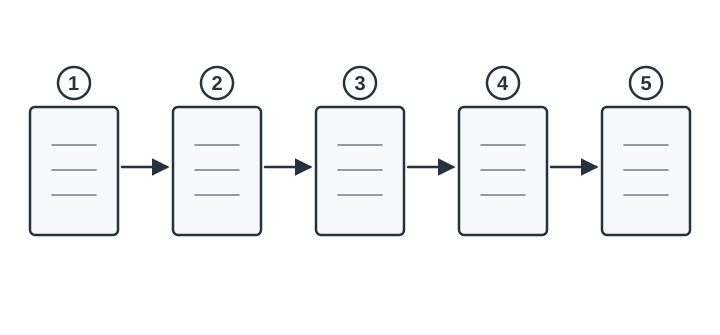 A useful scope links the repair objective and work limits to pricing and verification.
Elements · 1. Asset and evidence · 2. repair objective · 3. work limits · 4. price and method · 5. acceptance and handover
Sources
- CROW, Aanbesteden en contracteren, official overview of RAW, UAV and UAV-GC roles — Describes Dutch civil-engineering contract systems; not a universal procurement prescription. Source.
- CROW, RAW-besteksvormen — Explains RAW contract documents, unit schedules and framework forms; specific to RAW. Source.
- Scottish Government, Construction Procurement Handbook, ch. 7, §§6.6–6.9 — Primary government guidance on complete works information, specifications, scope and contract form; UK/Scotland context. Source.
- RICS, Tendering strategies, 1st ed. (UK), ch. 3.6 — Explains tender documents, scoring and project information; UK contract context, used for general principles only. Source.